Expansion and evaluation of ethics quality of care education in surgery

Ethics Quality of Care Rounds have been implemented during regular surgical rounds monthly at the University Health Network over two years. Residents select a case with an ethical dilemma and, along with the lead staff, determine key points and moderate an open-ended and confidential discussion with multiple levels of learners and faculty. The fellowship involves:…
Read MoreCompassionate approaches for leading change and evaluating educational programming within complex systems
Approaches to evaluating education still assume that evaluation is about rendering judgement about the quality of the work of others. This Fellowship is evaluating a new program evaluation model that enables improved identification and understanding of how a simulation-based curriculum in client and family-centred care brings value to the people in the system. The Fellowship…
Read MoreBuilding narrative competence as a catalyst for person-centered care
Learn about Trisha’s photo documentary film and narrative medicine seminar series. She used them to help Queen’s University physiotherapy students become more person-centered in their work.
Read MoreDeveloping rapport and ethical therapeutic relationships in acute care

Michael used his fellowship to design a multifaceted education, research, and knowledge translation program. It focused on helping healthcare providers develop rapport and ethical, therapeutic relationships with patients and their families.
Read MoreA unique curriculum and practice model for compassionate, person-centered care
Marion’s fellowship helped clinicians and students value what is “best” according to evidence, and also what is “fitting” based on the unique characteristics of the people and the context in which care happens. Learn about the curriculum she developed.
Read MoreThe curriculum of caring
The “Curriculum of Caring” prepares healthcare professionals to be more capable (comfortable, confident, competent) in delivering compassionate, person-centred care to patients generally considered harder to serve, specifically people with developmental disabilities (DD). The Curriculum of Caring began as a Hamilton/Niagara regional partnership of Bethesda Services with McMaster and Brock Universities to provide medical and nursing…
Read MoreAdvancing compassionate care in family medicine
Cynthia’s work found a surprising absence of language about compassionate care in current family medicine standards. It gave us a better sense of where family medicine is doing well and where it can improve.
Read MoreMitigating and managing compassion fatigue in health professionals
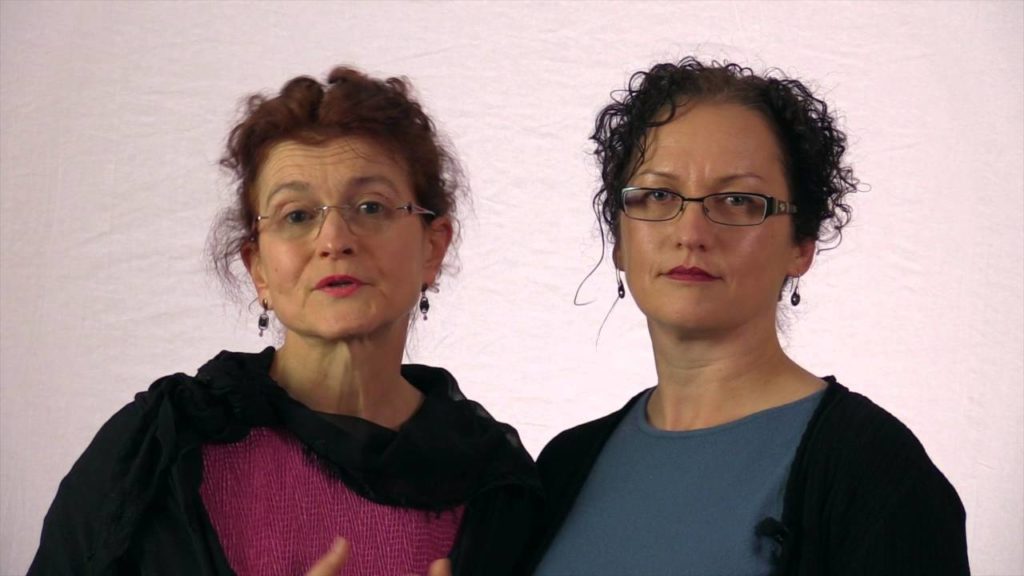
This fellowship focused on understanding the prevalence of compassion fatigue in nursing and medical students. Tara and Maryse designed and delivered training workshops to offer health providers the ability to more fully care for themselves.
Read MoreUsing incident narratives during residency to develop physicians’ compassion
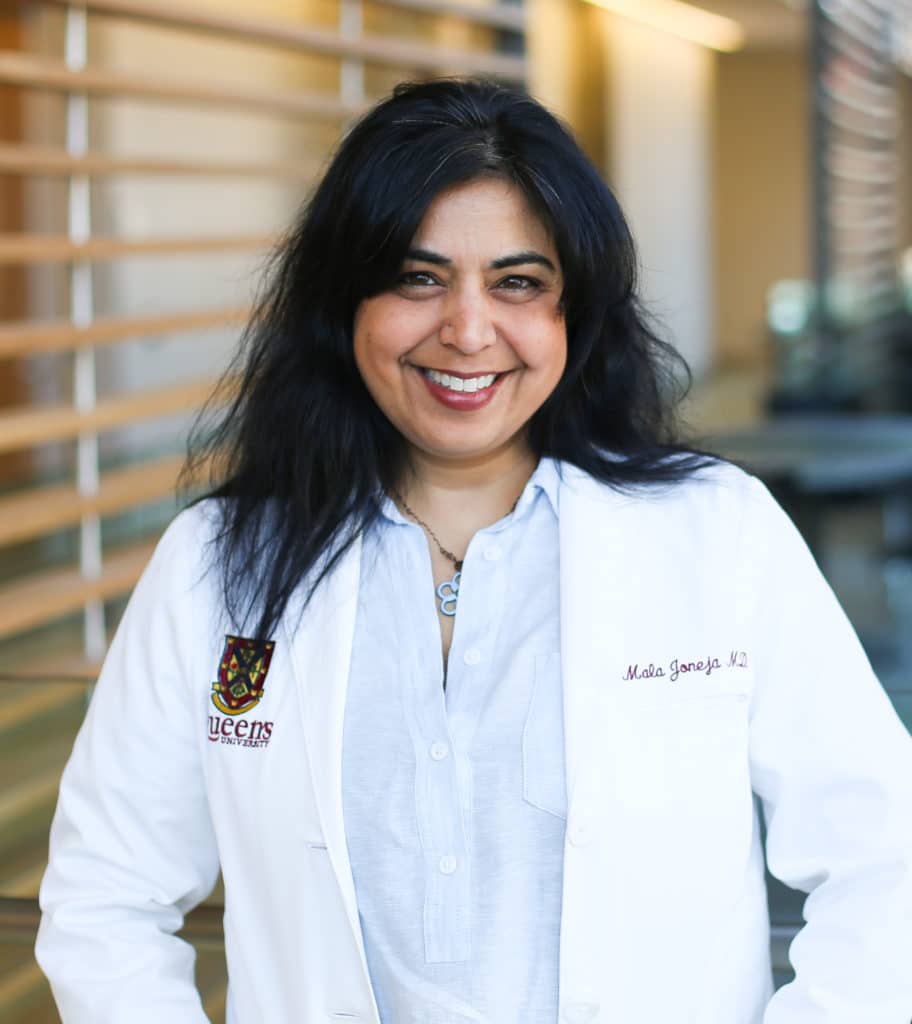
Mala’s fellowship focused on how to increase physicians’ compassion during their residency, a stressful time in their training.
Read MoreUsing Life Process Transformation™ (LPT) programs to build resilience
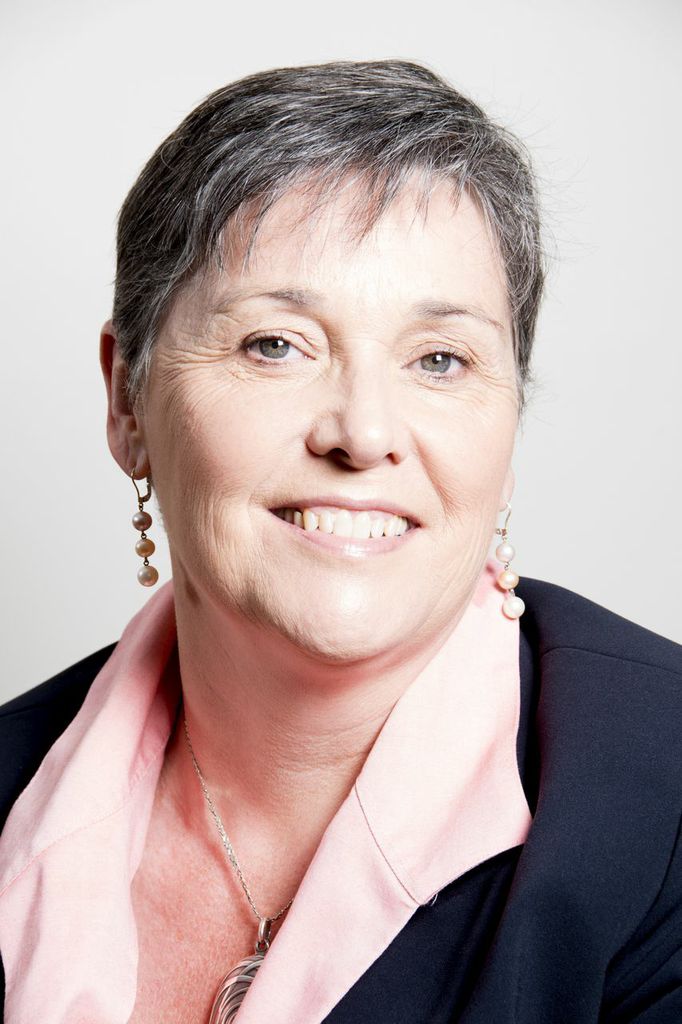
Janet has pioneered work that focuses on the self-care and self-identity of healthcare professionals. During her fellowship, she used Life Process Transformation™ (LPT) workshops to help students and faculty learn how to meet their self-care needs.
Read More