Models of Care
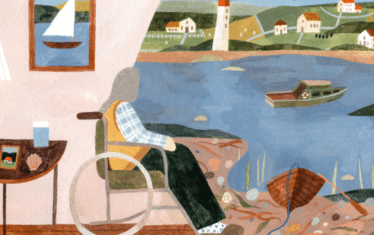
Seniors with dementia in LTC homes are using virtual reality to relive their pasts
Caregivers and researchers hope that LTC residents who visit lifelike simulations of meaningful places from their pasts will recall old memories not yet motheaten by dementia, causing them to feel a sense of wistful joy, a swell of pride and to open up to others.
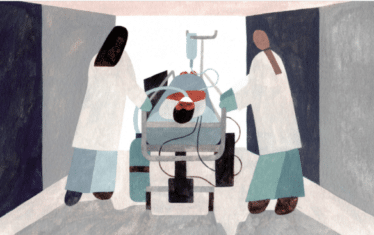
‘You need not be alone anymore’: The doctor redefining palliative care
Palliative care physicians were no longer on-call consultants or experts brought in only when it became clear that a patient was forgoing curative or life-prolonging medical treatment. They became a fixture of the emergency department.
Vertical Aging The Future of Aging in Place in Urban Canada
On February 3rd, 2021 OpenLab and AMS hosted a webinar to launch Vertical Aging: The Future of Aging in Place in Urban Canada and the release of the three reports.

Without Compassion, There is No Healthcare
28 outstanding Canadian healthcare leaders confront the challenges threatening our current and future healthcare system. Across a variety of domains, the authors ask, What is compassion?
Vertical Aging: Social Spaces
The design of our physical spaces matters more to psycho-social states of well-being than ever previously imagined. This report aims to understand the stock of rental apartment buildings (in Toronto) that qualify as NORCs.
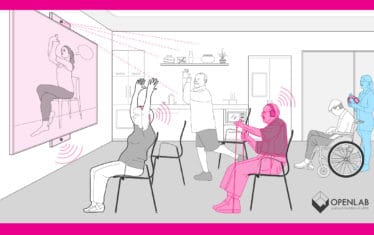
Vertical Aging: The Connected Care Hub
Connected Care Hub is a mixed model of service delivery that utilizes both physical and digital supports to help seniors in NORC buildings age in place.

Vertical Aging: The Digital Neighbour Network
In order to remain at home, most seniors will need some type of support to get by. Neighbour-to-Neighbour networks may help fill that gap, especially if located within the same building or neighbourhood.
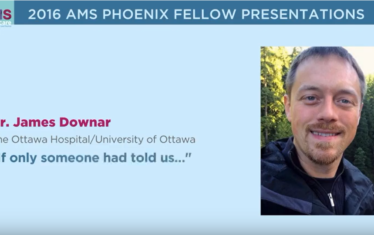
“If only someone had told us”: Transitioning to end-of-life care
Dr. James Downar frames the importance of care transitions and their connection to quality of life at the end of life. He introduces a tool he built, which identifies patients nearing the end of their lives, so care teams can discuss the care approach with these patients.